Find Focus Through Pilates and Controlled Movement

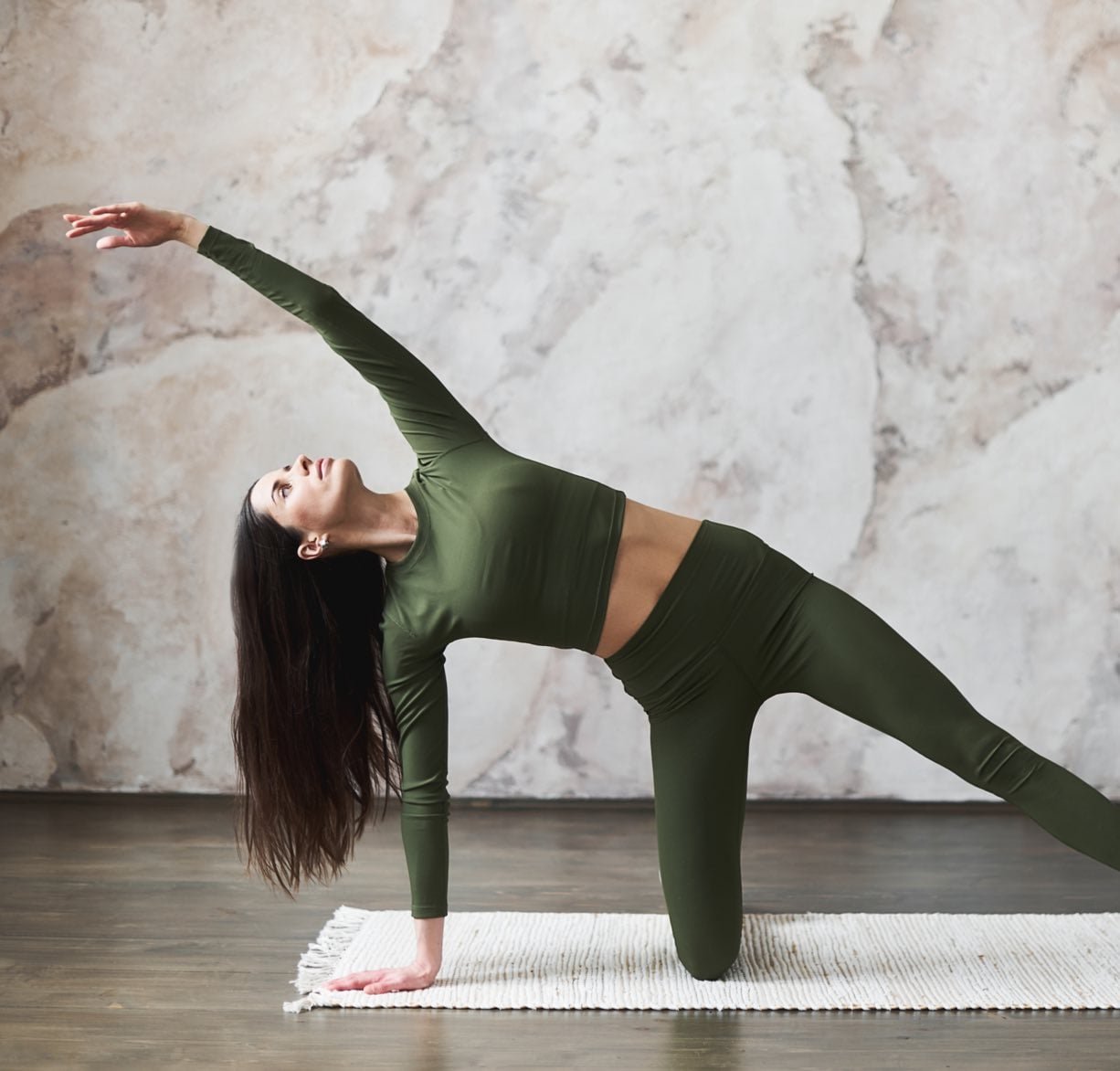
Every time you move through a Pilates exercise, your attention should be on the movement itself. When you focus fully on alignment, control, and breath, you experience the exercise as it’s intended. Pilates offers significant physical and mental benefits, but to access them, you need to be present in what you’re doing.

Unfortunately, many people bring distractions into the studio—rushing through sessions or letting their minds drift elsewhere. When that happens, the quality of movement drops, and so do the results.

What Does Structured Progression Mean?

In simple terms, it’s organizing how you train to get the best outcomes. You can’t effectively improve strength, control, and endurance all at once without a clear approach. The idea is to align the intensity and structure of your sessions with your current goals.

Developing Your Own Training Approach

What happens if you’re attending sessions but not seeing improvements in control or strength? Or if your effort doesn’t match your results? Without a clear structure—whether through increased resistance, better technique, or improved consistency—you limit your progress.

Training Progression in Practice

As your training demand increases, your approach should evolve with it. This might mean adding resistance, refining control, or improving the precision of each movement. Without this progression, you risk stagnation, fatigue, or inefficient movement patterns.


If your training isn’t aligned with your capacity, progress slows. But when it is structured properly, you build strength, improve coordination, and move with greater confidence.

Choosing how to structure your sessions depends on where you’re starting from. If your goal is to improve control and focus, consistency and attention to detail are key. Small improvements, repeated over time, lead to meaningful change.

Ultimately, you need to be clear about what you want to achieve and train with intention. Pilates is not random—it’s a method built on precision and progression.

Bringing It All Together

One of the most common mistakes is not practicing foundational movements often enough. Progress doesn’t come from doing more exercises—it comes from doing the right ones, consistently, with control.

If you’re just starting, it may feel challenging, but with guidance, improvement becomes steady and measurable. Staying aware of how often you train and how well you execute each movement is essential.


In the end, Pilates helps you develop more than strength—it builds focus, control, and a deeper connection to how your body moves.

Leave a Reply

Your email address will not be published. Required fields are marked *